

Add Row
Add Element
cropper
update
Tips From Moms All Around The World 
update
Add Element
  • Home
  • Categories
    • Pregnancy & New Baby
    • Toddler & Preschool
    • Elementary & School-Age
    • Tweens & Teens
    • Work-Life Balance & Career
    • Self-Care & Wellness
    • Family & Relationships
    • Nutrition & Mealtime
    • Education
    • Play & Learning
    • Diversity & Multicultural Parenting
    • Family Finances & Future Planning
    • Featured
    • Holidays
August 28.2025
2 Minutes Read

How Much Sugar is too Much for Kids? Essential Tips for Parents!

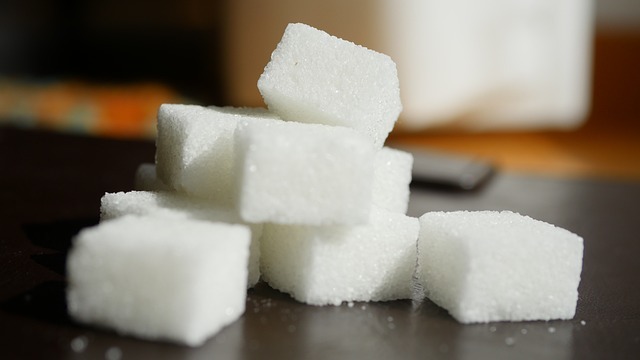
Child surrounded by sweets illustrating sugar intake concerns.


Understanding Sugar Intake for Children

As busy parents and grandparents aim to provide nutritious meals, one pressing question often arises: How much sugar is too much for kids? This concern is crucial, especially when preparing balanced toddler meals or school lunch boxes. Current guidelines suggest limiting added sugars in children's diets, yet the definition of 'too much' may vary widely.

The Impact of Sugar on Kids’ Health

Consuming excessive amounts of sugar can lead to a myriad of health issues, including obesity, heart disease, and a higher risk of developing type 2 diabetes. It's not just the amount that's crucial; understanding where sugars come from is equally important. Many parents find themselves navigating the tricky waters of picky eater solutions, sometimes relying on packaged foods laden with hidden sugars.

Creating Healthy Family Meals

Incorporating cultural recipes can be a delightful approach to ensure kids are receiving not just fewer added sugars, but also a variety of nutrients. For instance, using natural sweeteners, fruits, and developing healthy yet tasty lunchbox ideas can help kids appreciate the flavors of nutritious foods instead of processed snacks. This strategy fosters a healthier relationship with food and introduces children to global cuisine.

Practical Tips for Reducing Sugar Intake

Here are some strategies to consider when planning meals:

  • Read Labels: Familiarizing yourself with food labels helps identify hidden sugars.

  • Make Cooking Together Fun: Engage children in preparing meals. This not only educates them about healthy eating but also makes them more adventurous eaters.

  • Healthy Snack Alternatives: Replace candies and sugary cereals with fruits or yogurt.

Being informed about the sugar content in children's diets enables families to make better food choices, encouraging healthier habits right from the toddler years through to school-age children.


Nutrition & Mealtime

Write A Comment

*
*
Related Posts All Posts
12.25.2025

Tackle Holiday Mealtime Challenges: Survival Tips for Parents

Update Surviving the Holidays with Toddlers: Your Essential Guide As the holiday season approaches, many parents face the challenge of balancing festive gatherings with their toddlers’ schedules and preferences. One common concern is navigating nap time, especially when pivotal family dinners overlap with these crucial rest periods. If you find yourself rushing from one gathering to another, missing out on quality time, or dealing with a cranky toddler, you’re not alone. With careful planning and flexibility, you can create a joyful holiday experience for both your family and little ones. Strategic Timing: Making the Most of Family Gatherings When planning your holiday schedule, it’s important to communicate with your family about your toddler's nap times. Encourage family members to consider a later, more toddler-friendly dinner hour. For instance, if dinner is traditionally at 1 PM, discuss starting it an hour later or embrace adopting a potluck approach, where dishes can be served hot or warmed up as you arrive. This can reduce the stress of being late, giving both parents and children a chance to enjoy meals together without the burden of food cooling on the table. Engaging Kids in the Kitchen: Fun Through Food Getting your child involved in holiday cooking can be a game changer, especially for picky eaters. Instead of presenting a plate of unfamiliar foods, invite your toddler to help decorate dishes. Let them arrange fruit for a festive Christmas tree snack or sprinkle colorful toppings on avocado toast. These fun, hands-on activities can encourage toddlers to explore new foods in a relaxed setting, leading to more adventurous eating. Dealing with Picky Eaters During Festivities Picky eating can become particularly pronounced during the holiday season, as exciting aromas and colors entice little ones. Instead of forcing your child to try everything, offer familiar items alongside new dishes. This way, children can maintain autonomy over their choices while gradually being exposed to new tastes. For example, pairing a beloved food item, like bread rolls, with a small serving of holiday-themed side dishes can encourage curiosity without pressure. Planning Healthy Meals for the Whole Family Moreover, it’s essential to integrate healthy family meals into your holiday agenda. Prepare a variety of options that can appeal to both toddlers and adults, ensuring balanced plates filled with nutritious ingredients. Think festive roasted veggies, flavorful dips using Greek yogurt, and fun snacks like reindeer pancakes made from wholesome batter. Not only will these meal ideas help create a balanced diet during the holidays, but they’ll also present an opportunity for family bonding while cooking and sharing meals. Coping Strategies for Stress-Free Holiday Meals The holiday hustle can certainly be overwhelming. To ease the process, set realistic expectations about your meals and your child's eating habits. Embrace flexibility and spontaneity along with offense against picky eating tendencies. If there’s a plan for dinner that disrupts your child’s bedtime, it may be worth it to allow for a short nap beforehand, followed by a simplified lighter meal later. Remember, the holidays are not only about food but also about enjoyment, connection, and creating lasting memories. This festive season, empower yourself with these strategies for stress-free holiday meals. You deserve to savor every moment with your loved ones while nourishing your children. Happy holidays!

12.21.2025

Curious About Healthy Foods to Help Toddlers Gain Weight?

Update Toddlers Need More Than Just Love: Understanding Weightgain As any parent knows, children come in all shapes and sizes, and weight gain can often be a worry, particularly for toddlers. A balanced diet rich in healthy, nutrient-dense foods is vital for supporting healthy growth and energy levels. Understanding the importance of weight gain in toddlers not only eases parental anxiety but also provides clarity on dietary needs. Signs Your Toddler Might Need Nutritional Boosts How can parents determine if their toddler needs to gain weight? Monitoring milestones and growth patterns offer important clues. If you're wondering whether your child fits the normal growth curve or if they are meeting their developmental benchmarks, keeping a log of their weight and height during appointments is key. Sometimes a significant drop on growth charts could indicate that it's time to assess their dietary intake, or perhaps a health issue may need addressing. The Power of Calorie-Dense Foods: A Parent’s Guide To encourage healthy weight gain, incorporating calorie-dense foods is essential without resorting to unhealthy options. Foods like avocado, nut butter, full-fat dairy, and whole grains such as oats are perfect examples. Nutritional tips like mixing in an egg yolk with pasta sauce or using coconut oil in cooking can significantly increase calorie content without requiring a larger portion size. Such strategies are crucial for overcoming challenges presented by picky eaters. Easy High-Calorie Recipes to Foster Growth An effective way to guarantee your toddler is getting the calories and nutrients they need is to make eating enjoyable. Wholesome recipes such as smoothie bowls with nut butter, creamy yogurt topped with fruit, and whole grain pancakes smothered in nut butter provide sensory delights and nutritional benefits. Meals like these not only excite your child’s interest in food but also ensure they are enjoying it and increasing their caloric intake. Boosting Meals with Healthy Add-ins Finding fun strategies for sneaking in calories can reduce the stress of mealtime battles. Consider making creamy dips with cottage cheese or incorporating olive oil into pasta. These little changes can lead to increased caloric intake, while remaining rooted in healthy eating. Encouraging a Positive Eating Environment Perhaps most importantly, promoting a loving and pressure-free mealtime atmosphere lies at the heart of effective feeding privileges. Allowing your child to explore food at their pace can foster a happy relationship with eating, making nutritional adventures enjoyable. If you’re concerned about your child’s weight gain or how to incorporate nutritional guidelines, consult your child's healthcare provider. They can aid in creating a meaningful, personalized plan. Incorporate these actionable strategies into your meals for effective nutrition. Reach out to a pediatric dietitian if you have questions about customizing meal plans to fit your child's needs.

12.16.2025

Discover the Cherry Chocolate Chip Cookies Every Family Needs

Learn how to make cherry chocolate chip cookies, a delicious and healthy dessert. Perfect for busy families and lunchboxes!

Terms of Service

Privacy Policy

Core Modal Title

Sorry, no results found

You Might Find These Articles Interesting

T
Please Check Your Email
We Will Be Following Up Shortly
*
*
*